Home ▸
STM32 HAL Programming Tutorials – CubeMX & HAL Code
STM32 HAL programming simplifies peripheral access using predefined functions from ST’s hardware abstraction layer. This section includes tutorials for STM32 Development boards using STM32CubeIDE. Learn to configure GPIO, UART, timers, ADC, and more with HAL drivers. Ideal for developers looking for faster development without working directly on registers.
STM32 Peripherals
WavePlayer using STM32 Discovery
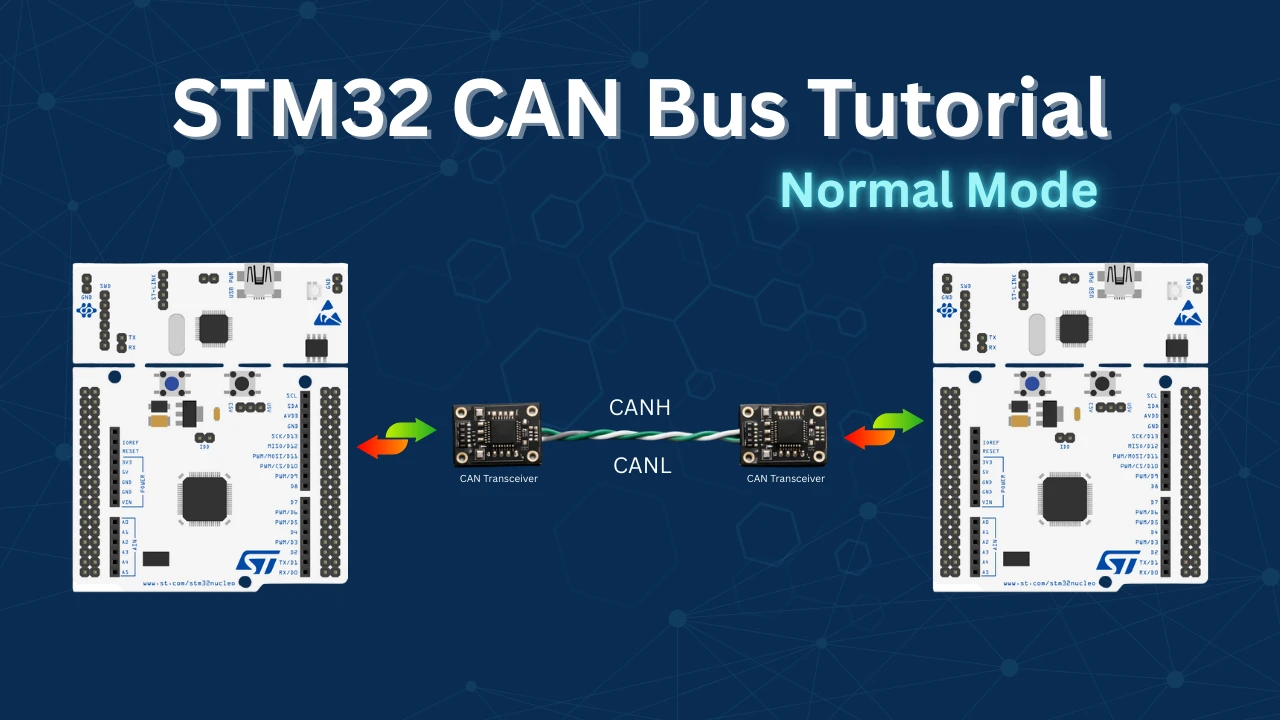
STM32 CAN Bus Communication in Normal Mode: CubeMX Setup & HAL Code
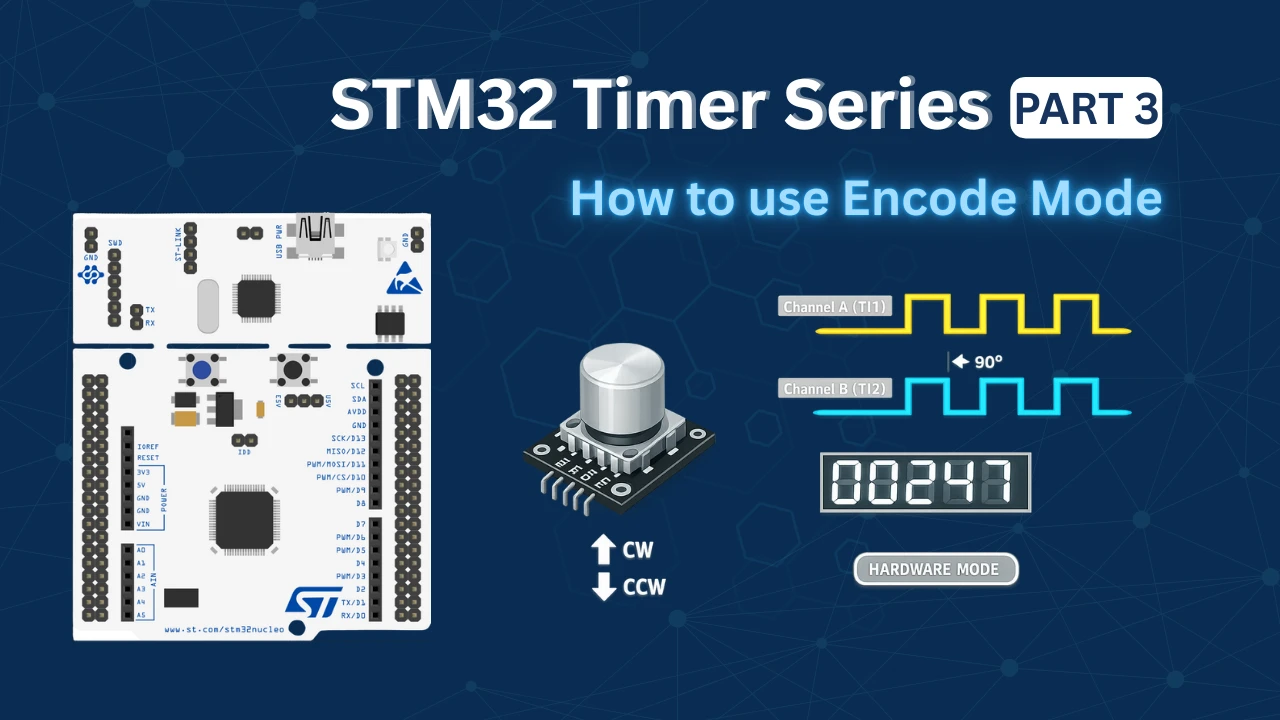
STM32 Timers (Part 3): How to use the Timer Encoder Mode
STM32 Input Capture: Measure Frequency & Pulse Width
STM32 Ethernet
STM32 Ethernet PART 6 – How to Configure Simple HTTP Webserver
STM32 Ethernet PART 6.1 – Configure HTTP Webserver using SSI
STM32 Ethernet PART 6.2 – Configure HTTP Webserver using CGI
STM32 Ethernet PART 7 – UDP Server using LWIP NETCONN (RTOS)

STM32 Ethernet PART 8 – UDP Client using LWIP NETCONN (RTOS)
STM32 RTOS
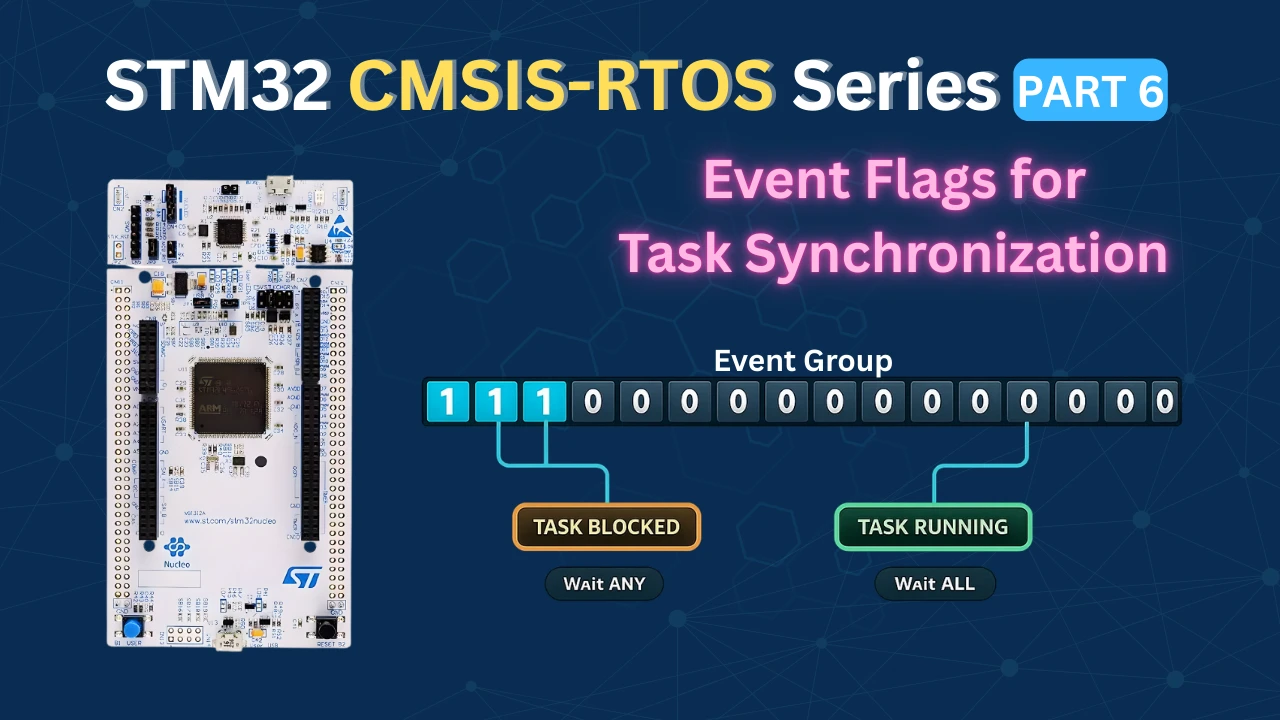
STM32 FreeRTOS Event Flags: osFlagsWaitAll, WaitAny & ISR Callbacks
STM32 FreeRTOS Software Timers: Periodic & One-Shot with CMSIS-OS V2
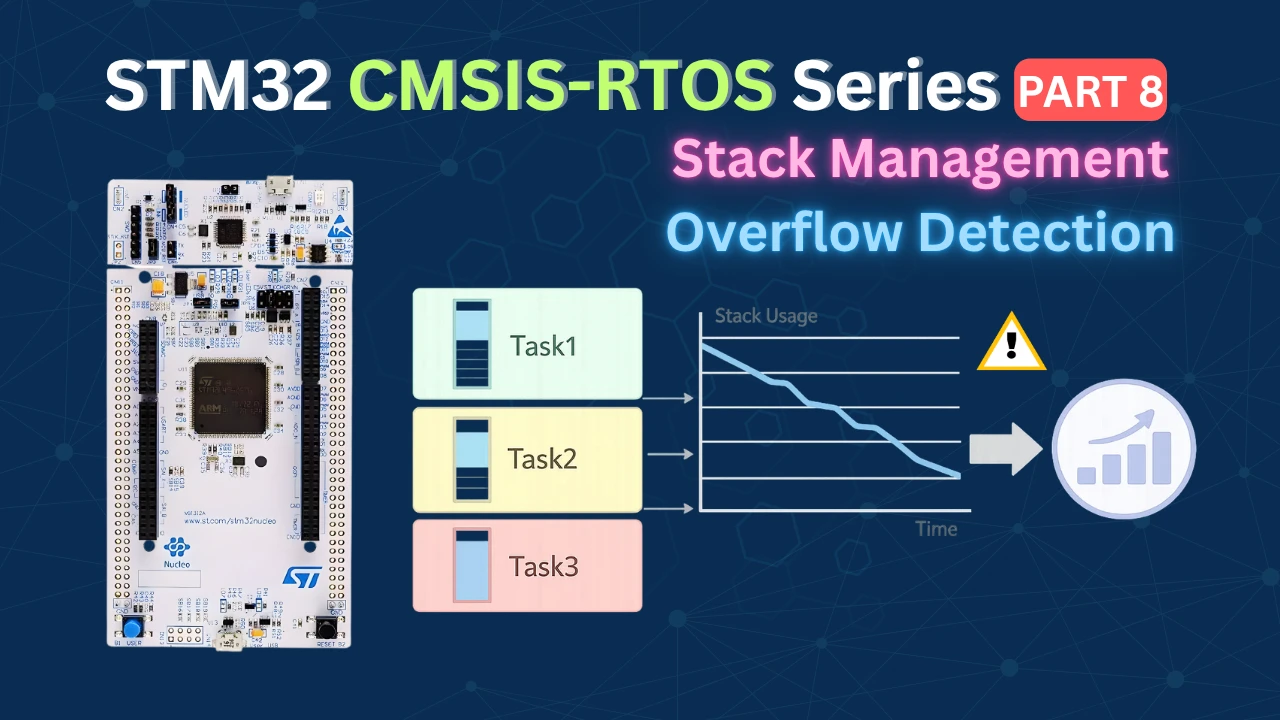
STM32 FreeRTOS Stack Management: Monitor Usage & Detect Overflow
STM32 Display & GUI
Interface 7 segment display with STM32 || TM1637
LVGL on STM32 || PART7 || Load LVGL from Ext Flash
LVGL on STM32 || PART 6
STM32 FMC || LCD PART3 || Add LVGL & Create UI
STM32 FMC || LCD PART2 || How to add touch interface to the LCD
STM32 Modbus
Modbus #3.1 STM32 Master Writes Multiple Coils and Registers
Modbus #4. STM32 as Slave || Read Holding and Input Registers
Modbus #5. STM32 as Slave || Read Coils and Inputs
Modbus #6. STM32 as Slave || Write Registers
Modbus #7. STM32 as Slave || Writing Coils
STM32 Bootloader
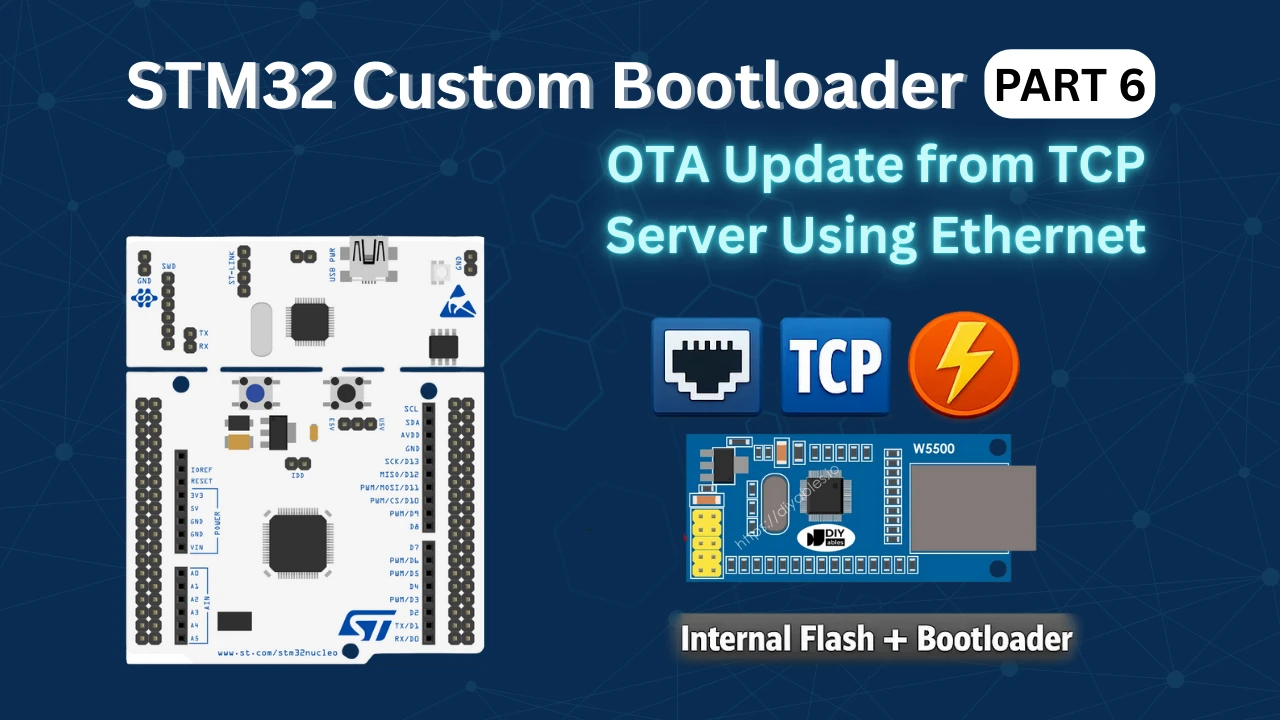
STM32 OTA Bootloader PART 6: Flash OTA Update from TCP Server Using Ethernet
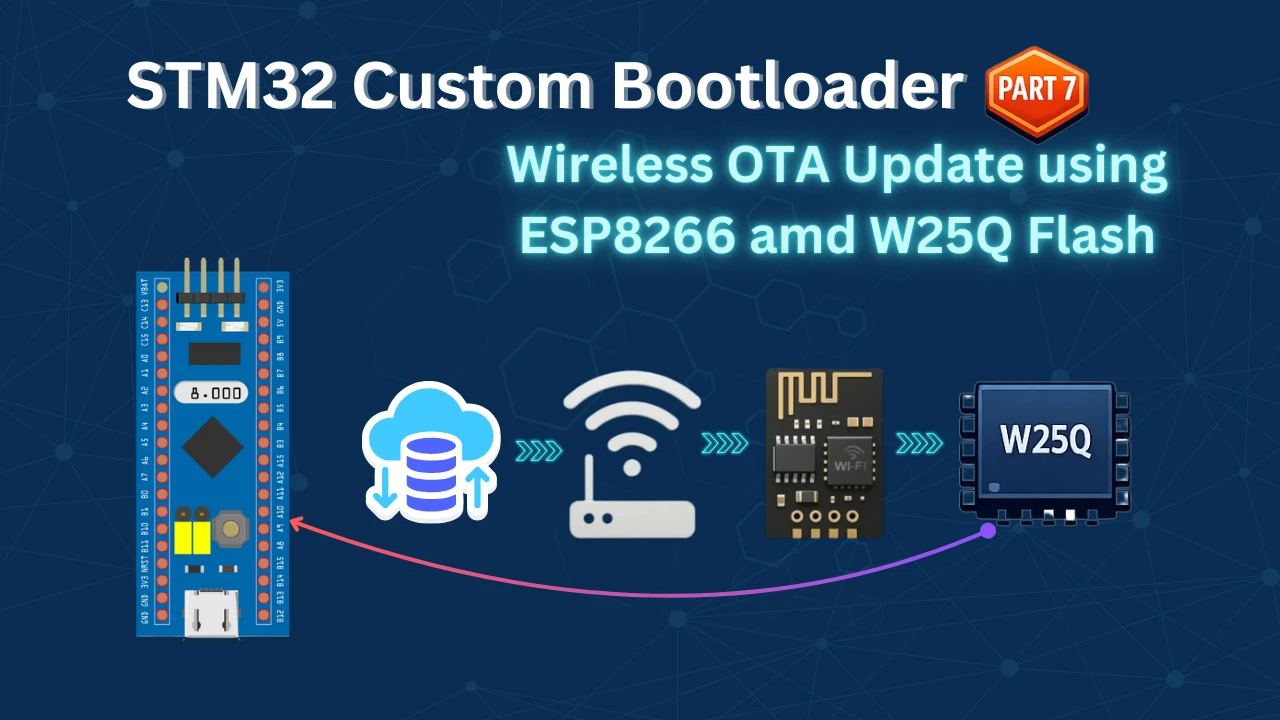
STM32 OTA Bootloader (PART 7): Wireless Firmware Update Using ESP8266 WiFi Module
STM32 IoT (ESP8266) Series
No post found!
STM32 Storage Tutorials
W25Q Flash Series Part 2 – Read Data from Device
W25Q Flash Series Part 3 – How to Erase Sectors
W25Q Flash Series Part 4 – How to Program Pages
W25Q Flash Series Part 5 – how to update sectors
W25Q Flash Series Part 6 – Integers floats and 32bit Data
STM32 Sensor Interface
Interface BMP180 with STM32
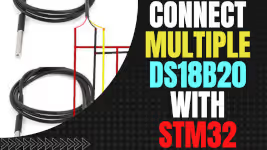
Multiple DS18B20 sensors using UART
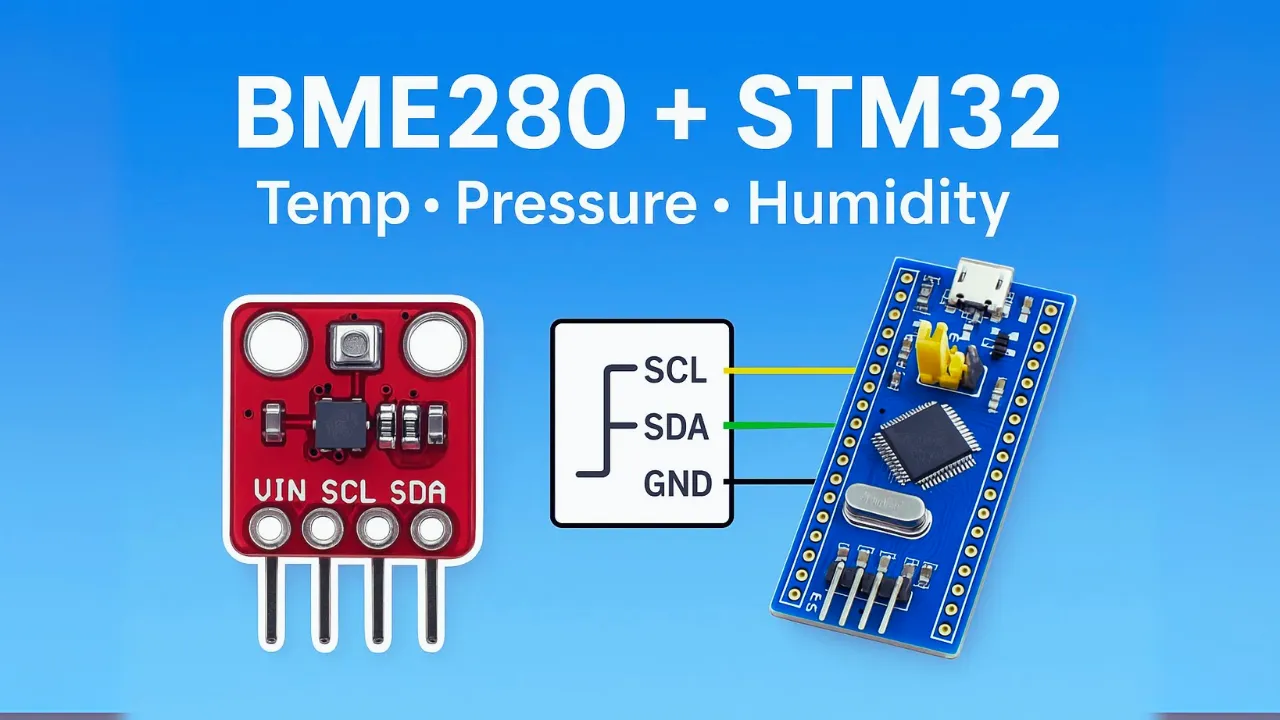
Interface BME280 Sensor with STM32 — Read Temp, Humidity & Pressure
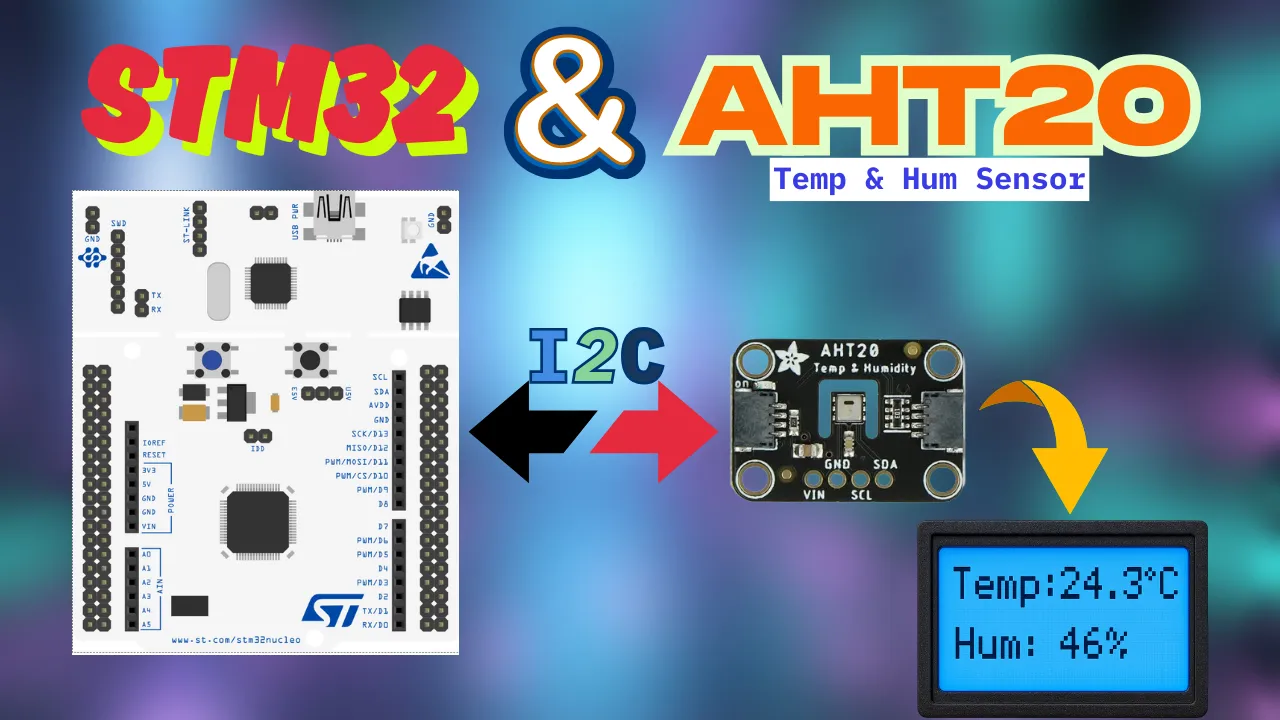
Interface AHT20 Sensor with STM32 Using I2C